
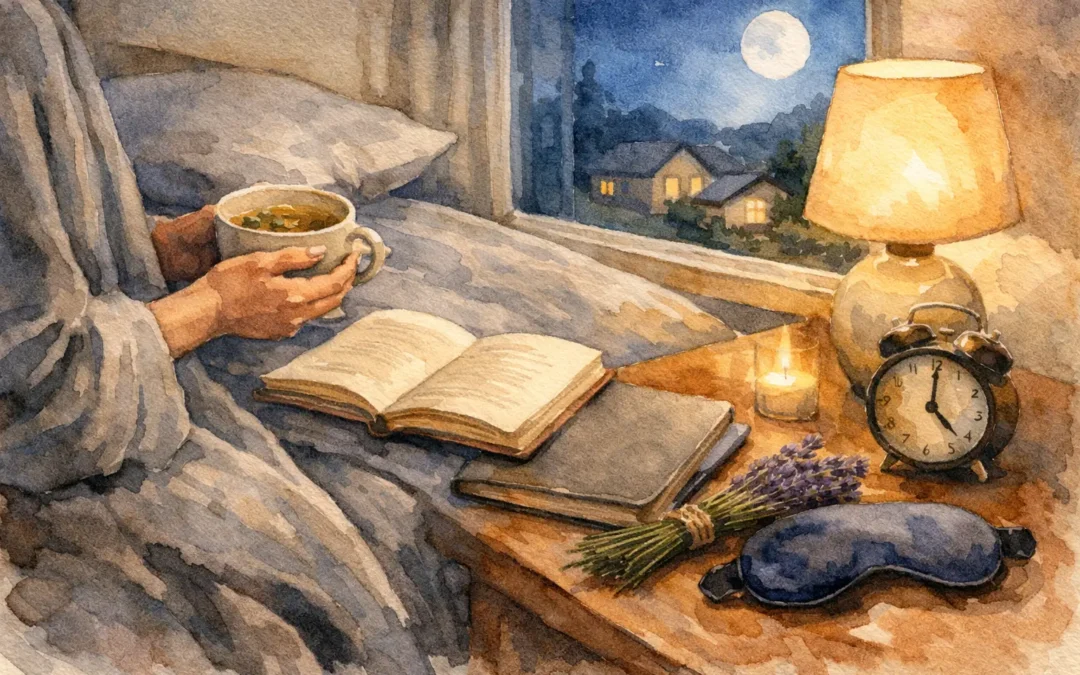
At 2 a.m., most sleep advice feels a little useless. If your body is tired but your mind is still replaying tomorrow’s schedule, or you wake up at 3:47 every night for no obvious reason, you are not alone. Many people searching for how to improve sleep naturally are not looking for a perfect bedtime routine. They want to feel rested again without building their life around sleep tracking, pills, or rigid rules.
Natural sleep support usually works best when you stop treating sleep as an isolated problem. Sleep is often tied to stress load, pain, late-night stimulation, blood sugar swings, hormone changes, and how safe your nervous system feels when the day finally goes quiet. That is why one person’s magnesium helps while another person needs to start with evening habits, body tension, or recovery support.
How to improve sleep naturally by fixing what keeps you alert
A lot of people focus on what to add at night, when the real issue started much earlier. If your day runs on caffeine, skipped meals, back-to-back screens, and stress that never fully settles, bedtime becomes the first moment your body notices how overloaded it is.
Start by looking at your sleep blockers in plain terms. Stimulants are an obvious one, but they are not limited to coffee. Pre-workout drinks, energy drinks, late afternoon tea, and even the habit of pushing through exhaustion can keep your system more activated than you realize. If you are tired and wired, your body may not need more force. It may need more cues that it is safe to downshift.
Pain and physical discomfort matter too. Tight shoulders, low back tension, jaw clenching, and hips that never seem to relax may make it harder to fall asleep and easier to wake up. This is one reason people who first come in looking for a massage therapist in San Luis Obispo sometimes talk about sleep before they talk about pain. They notice that on the days their body feels less guarded, sleep often comes easier.
Stress is another big piece. Even when life looks manageable on paper, your nervous system may still be carrying a lot. Parents, professionals, caregivers, and active adults in SLO often describe the same pattern: they are functioning all day, then crash into bed and realize their mind never got the message that work is over.
Create a night routine your body will actually follow
The best bedtime routine is the one you can repeat, not the one that looks impressive online. If your evening routine takes an hour and requires perfect discipline, it usually does not last.
A simple rhythm works better. Dim the lights earlier than you think you need to. Eat dinner early enough that your body is not doing heavy digestive work when you lie down. Cut stimulating input for the last hour if possible, especially emotionally charged shows, work emails, and doom scrolling. You do not need a flawless digital detox. You just need fewer signals telling your brain it is still daytime.
Temperature matters more than many people realize. A slightly cool room tends to support sleep better than a warm one, especially if you are prone to waking hot. If your body feels physically restless, a warm shower before bed may help you relax, followed by a cooler sleep environment once you get into bed.
It also helps to give your brain a predictable landing strip. That might be light stretching, a few pages of reading, gentle breathwork, or journaling out tomorrow’s to-do list so it is not circling in your head. The goal is not to force sleep. The goal is to become less activated.
If you wake up in the middle of the night
Middle-of-the-night waking is frustrating because it can make you panic about not sleeping, which keeps you more awake. If this happens often, try not to turn it into a performance problem. Looking at the clock, calculating how many hours are left, and mentally rehearsing how miserable tomorrow will be tends to raise alertness.
Keep the response boring and gentle. Low light, no full phone check-in, and a calm reset. Some people do well with a few slow breaths or a body scan. Others need to get out of bed briefly and read something neutral until they feel sleepy again. It depends on whether lying there is relaxing you or making you more agitated.
Support your circadian rhythm during the day
If you want to know how to improve sleep naturally, morning habits matter almost as much as nighttime ones. Your body clock responds strongly to light, movement, and consistency.
Getting outside early in the day may help anchor your rhythm. Even a short walk in natural light can be useful, especially if you spend most of your day indoors. Regular movement also tends to support better sleep, though very intense exercise late at night may be too stimulating for some people.
Meal timing can play a role too. Going all day underfed and then eating heavily at night may leave some people feeling wired, bloated, or uncomfortable. Stable energy across the day often supports a steadier evening.
Naps are not always bad, but timing matters. If you are exhausted, a short early afternoon nap may help. A long late-day nap may make it harder to build enough sleep pressure for nighttime.
Natural tools that may help, depending on the person
Supplements get a lot of attention, and some people do find them helpful. Magnesium is a common starting point, especially if muscle tension or stress feels like part of the picture. Herbal options such as chamomile or lemon balm may feel calming for some people. Melatonin may help with circadian timing in certain situations, like travel or schedule changes, but more is not always better, and it is not the right long-term fix for everyone.
This is where nuance matters. If your sleep issue is mostly pain, a supplement may only do so much. If your issue is stress and nervous system overload, body-based recovery may matter more than another capsule.
Hands-on care and wellness therapies may support better sleep by helping the body shift out of a constant stress response. Personalized massage, for example, may help reduce physical tension and create a stronger sense of calm before bed. Infrared sauna sessions may feel deeply relaxing for some guests, while meditation pod sessions may help quiet mental overactivity and support a more settled nervous system. Red light therapy is another option some people explore as part of a broader recovery routine. None of these are magic switches, and results vary, but for people who are tired of a one-size-fits-all approach, they may be meaningful pieces of the puzzle.
At Sloco Massage + Wellness, this is often how the conversation goes. Someone comes in thinking they just need to loosen their neck and shoulders, and then they realize their sleep has been affected by much more than muscle tension alone. When care is personalized, it becomes easier to match support to the actual pattern rather than guessing.
When poor sleep is really a stress signal
Sometimes insomnia is less about sleep hygiene and more about accumulated strain. You may be holding too much, recovering too slowly, or asking your body to stay productive long after it needed restoration.
That is especially common among high-functioning adults who look fine from the outside. They are getting through work, family, workouts, errands, and obligations, yet their body never fully powers down. Poor sleep in this case may be a message, not a failure.
If that sounds familiar, it may help to think beyond bedtime and ask better questions. Are you spending any part of the week in genuine recovery? Is your body carrying pain or inflammation that keeps it on alert? Do you only rest once you are already depleted?
Natural sleep improvement often becomes more realistic when recovery is built into your lifestyle instead of saved for emergencies.
When to look deeper
If you snore heavily, wake gasping, have severe insomnia, or feel exhausted despite spending enough time in bed, it is worth talking with a qualified medical provider. The same goes for major hormonal shifts, medication changes, anxiety, or ongoing pain that is not improving. Natural approaches may help support better sleep, but they should not replace needed medical evaluation.
The encouraging part is that better sleep does not always require an extreme reset. Often it starts with a few honest adjustments, a calmer evening rhythm, and support that helps your body feel safe enough to rest. If you live in San Luis Obispo and have been trying to figure this out on your own, it may help to stop chasing perfect sleep and start building better recovery.