
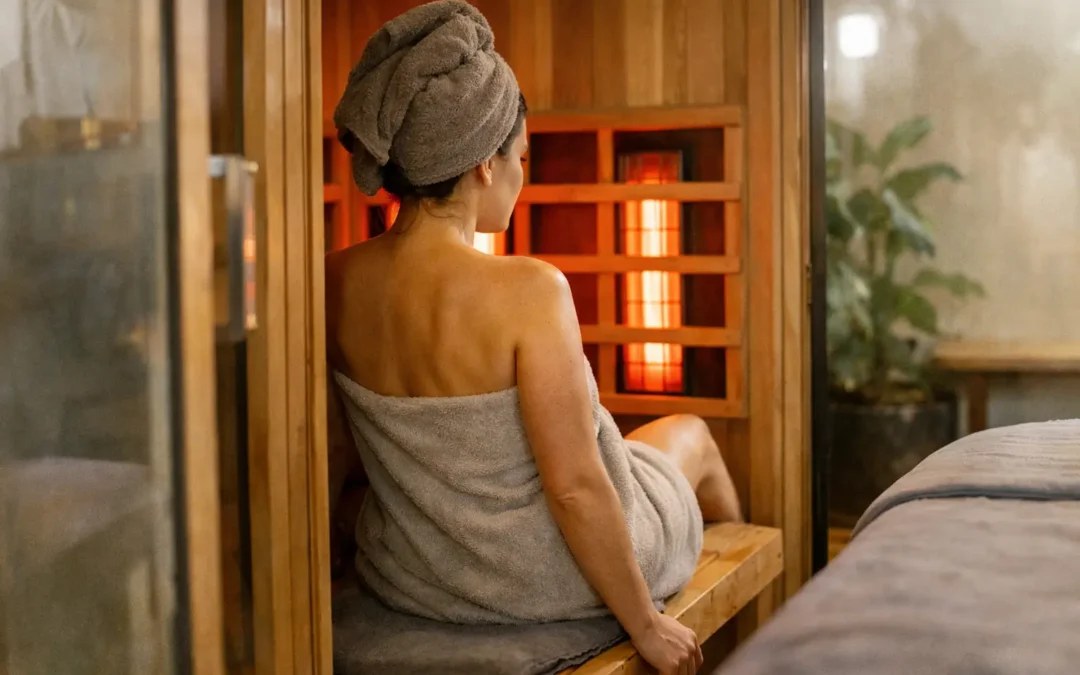
A lot of people try an infrared sauna for the first time because they feel worn down in a way sleep alone is not fixing. Tight muscles, a busy mind, heavy legs after workouts, that end-of-day feeling where your body never fully comes back to neutral. That is where infrared sauna benefits tend to get interesting. For many people, the appeal is not just sweating. It is the chance to give the nervous system and the body a gentler kind of reset.
Unlike a traditional sauna that mainly heats the air around you, an infrared sauna uses light to warm the body more directly. That difference matters. Many guests find the experience easier to tolerate because the room usually feels less stifling, even while they still build a deep, satisfying sweat. If you have avoided saunas because high heat feels overwhelming, infrared often feels more approachable.
What infrared sauna benefits may actually feel like
The most noticeable shift is often simple relief. When heat reaches tissues in a deeper, more gradual way, muscles may start to soften. Joints may feel less stiff. Some people walk out feeling looser through the neck, back, and hips, especially if they spend long hours sitting or carry tension from stress. For active adults around San Luis Obispo, that may mean recovering a little more comfortably after strength training, hiking, surfing, or long runs.
There is also the nervous system side of the experience, which matters just as much as the physical one. Quiet heat, stillness, and time away from screens may help the body move out of that always-on state. That does not mean one session erases stress. It means regular use may support a healthier rhythm, where your system gets more chances to downshift. For people who feel tired but wired, that may be one of the most valuable benefits.
Sleep is another area people often notice. Better sleep does not always come from doing more. Sometimes it comes from helping the body let go of accumulated tension late in the day. An infrared sauna session may support that process by promoting relaxation and helping the body feel settled. Some guests sleep more deeply after an evening session, while others prefer earlier appointments because heat too late at night can feel stimulating. This is one of those areas where it depends on the person.
Infrared sauna benefits for circulation, soreness, and recovery
When the body warms up, circulation increases. That is one reason heat therapy has been used for so long in recovery settings. Better blood flow may support the delivery of oxygen and nutrients to tissues and may help the body clear metabolic byproducts after physical effort. If you are dealing with post-workout soreness or that heavy, inflamed feeling after a demanding week, infrared sauna sessions may become a useful part of your recovery routine.
This does not mean an infrared sauna replaces movement, hydration, strength work, or hands-on care. It works best as part of the bigger picture. Someone training hard for a race may pair sauna sessions with massage therapy, mobility work, sleep, and proper fueling. A parent with chronic shoulder tension may use it alongside bodywork and stress management. The strongest routines are usually the ones that combine therapies thoughtfully instead of expecting one tool to do everything.
Pain relief is often part of the conversation too, though it is worth staying realistic. Infrared sauna use may help some people feel less discomfort related to muscle tightness, general stiffness, and overuse. It may be less dramatic for people whose pain has a more complex source. If your pain is longstanding, inflammatory, or tied to multiple factors, the sauna may still help, but usually as one supportive piece rather than a cure-all.
There is some research behind these experiences. Studies on sauna use and heat exposure suggest possible benefits related to circulation, relaxation, cardiovascular function, and exercise recovery. Research is still evolving, and outcomes vary depending on the person, frequency, and overall health status. That is why the practical question is less, does it work for everyone, and more, does it fit your body, your goals, and your lifestyle?
The detox question, honestly
A lot of wellness marketing oversimplifies detox. Your body already has built-in systems for processing and eliminating waste, especially through the liver, kidneys, lungs, skin, and digestive system. An infrared sauna is not doing those jobs for you.
What it may do is support the conditions that help you feel less burdened. Sweating, relaxation, circulation, and better recovery may all contribute to that lighter, clearer feeling people often describe after a session. If someone in SLO comes in feeling puffy, sluggish, and stressed, the sauna may help them feel more balanced. That is different from making exaggerated claims, and it is a more honest way to think about the experience.
Hydration matters here. If you sweat and do not replace fluids, you may leave feeling drained instead of restored. The people who tend to enjoy sauna therapy most are usually the ones who treat it like recovery, not punishment. They hydrate, they listen to their body, and they do not force longer sessions than they can comfortably handle.
Who tends to benefit most from infrared sauna sessions
Busy professionals often love infrared sauna because it gives them something they rarely get – uninterrupted quiet that actually feels useful. You are not just zoning out. You are creating a recovery window. Parents often appreciate the same thing, especially when stress has settled into the body as headaches, jaw tension, back tightness, or poor sleep.
Athletes and active adults tend to use sauna therapy more strategically. They may schedule it after harder training blocks or on recovery days when they want to keep the body warm and mobile without adding more physical load. Guests dealing with general inflammation, stiffness from desk work, or chronic stress may also find it supportive.
Some people should be more cautious. If you are pregnant, have certain cardiovascular conditions, are prone to dizziness, or take medications that affect heat tolerance, it is smart to check with your healthcare provider first. The goal is to support your body, not push it into a stress response that is too much.
Making infrared sauna benefits more noticeable
The best results usually come from consistency, not intensity. One session may feel great, but a regular rhythm often makes the difference between a pleasant wellness add-on and something that meaningfully supports how you feel week to week.
That could look like a session once a week during high-stress periods, or more regularly when you are focused on recovery. It also helps to pair sauna use with the right complementary care. At Sloco Massage + Wellness, for example, some guests combine infrared sauna with massage therapy or red light therapy because they want support for both physical tension and deeper recovery. That tends to make sense when someone is looking at the whole picture – pain, inflammation, sleep, mood, and resilience over time.
Timing matters too. If your main goal is muscle recovery, using the sauna after training or on a rest day may feel best. If your goal is stress relief, an evening session may help you unwind. If you tend to get lightheaded easily, shorter sessions and a slower approach are usually better than trying to build tolerance all at once.
Infrared sauna benefits are real, but personal
The reason infrared sauna continues to stay relevant is that it meets people where they actually are. Not everyone wants another intense protocol, another supplement stack, or another medication conversation. Sometimes they want a non-invasive way to support recovery, calm their system, and feel more at home in their body.
That does not mean everyone will respond the same way. Some people notice better sleep almost immediately. Some mainly feel muscle relief. Some love the ritual of slowing down and sweating in peace. Others try it once and realize another wellness tool fits them better. That is normal.
If you are curious about infrared sauna benefits, the best approach is to pay attention to your own patterns. Notice your stress level before and after. Notice how you sleep that night, how your body feels the next morning, and whether regular sessions seem to shift your baseline. Wellness works better when it is personal.
Sometimes feeling better starts with something simple – a warm room, a quiet hour, and enough space for your body to exhale.