
Pain rarely stays in one lane. It shows up in your neck while you answer emails, settles into your low back after a long drive, and somehow gets louder when you have not slept well in days. That is why natural relief for chronic pain usually is not about finding one magic fix. It is about understanding what is feeding the pain in the first place, then choosing support that works with your body instead of simply overriding symptoms.
For many people, chronic pain is not just an injury that never fully healed. It may be tied to inflammation, nervous system overload, poor circulation, muscle guarding, stress, old movement patterns, or recovery that never quite catches up with daily life. If you have been looking for alternatives to pills or trying to avoid more invasive options, there are non-medicated approaches that may help you feel better and function better. The key is choosing them with some strategy.
Why natural relief for chronic pain works differently
Medication has a place, and for some people it is necessary. But many adults want to know what else may help, especially when pain is lingering, recurring, or affecting sleep, mood, and energy. Natural approaches tend to work differently because they often aim at the systems around the pain, not just the sensation itself.
A tight shoulder may not only be a shoulder issue. It may also involve posture, jaw tension, stress chemistry, shallow breathing, and a nervous system that has gotten used to bracing. A sore low back may have as much to do with lack of recovery and inflammation as it does with the original trigger. This is one reason bodywork, heat, light-based therapies, breath-focused sessions, and other restorative modalities may be useful together. They address different layers of the same pattern.
Research continues to show that chronic pain is complex. It often includes both tissue sensitivity and nervous system sensitivity. That means a person may benefit from therapies that calm the body, improve circulation, support mobility, and reduce stress load at the same time. It is rarely all in your head, but it also is rarely only in one muscle.
The therapies that may help most
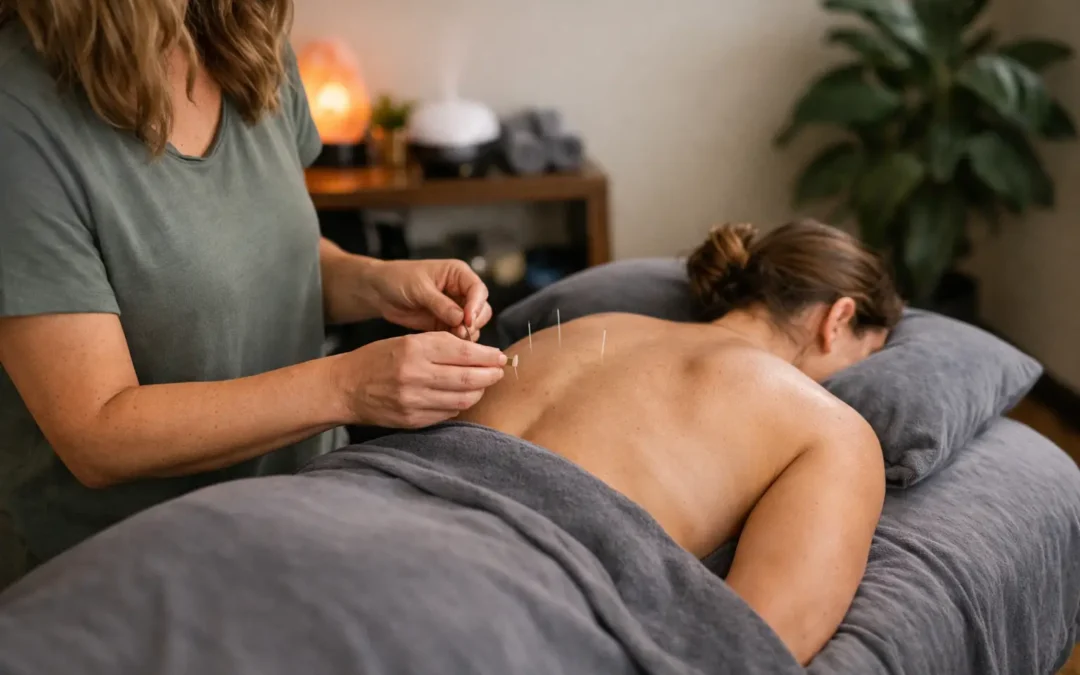
If you are searching for natural relief for chronic pain, massage therapy is often where people start, and for good reason. Skilled, personalized massage may reduce muscle tension, improve blood flow, and help interrupt pain patterns that build from repetitive stress. For someone with desk-related neck and shoulder pain, that may mean less guarding and fewer tension headaches. For an active adult with stubborn hip tightness, it may mean better range of motion and less post-workout irritation.
The word personalized matters here. Deep pressure is not always better. Some guests with chronic pain feel best with focused therapeutic work. Others respond better when the nervous system is calmed first and the body is given a chance to let go. This is especially true when pain has been around for a long time and the body has become protective.
Infrared sauna may also play a role. Gentle heat may support circulation, help muscles relax, and create a state where the body feels less guarded. Some people notice that pain feels more manageable after consistent sauna sessions, especially when stiffness and stress are part of the picture. If heat tends to flare your symptoms, though, this is one of those it depends moments. Not every modality fits every body.
Red light therapy has gained attention because of its possible effects on inflammation, recovery, and cellular energy production. While results vary, some people use it as part of a broader wellness plan for persistent aches, exercise recovery, and age-related discomfort. It is not a standalone cure, but it may be a useful support tool, especially when paired with hands-on care and better recovery habits.
Whole body cryotherapy is another option some adults explore, particularly if they are dealing with inflammation-heavy soreness or athletic overuse. The cold exposure may help some people feel less inflamed and more recovered. Others find it energizing, while a few simply do not enjoy the sensation. Preference matters more than people admit. The best therapy is often the one you will actually do consistently.
For guests whose pain is closely tied to stress, poor sleep, and nervous system fatigue, meditation-based sessions may be more helpful than they expect. Chronic pain often intensifies when the body never fully shifts out of fight-or-flight mode. A calmer nervous system may mean lower pain sensitivity, improved sleep, and less whole-body tension. That may sound subtle, but over time it can change the way pain shows up day to day.
What chronic pain often needs besides symptom relief
One of the hardest truths about chronic pain is that relief and healing are not always the same thing. Feeling better for a few hours matters, but sustainable progress usually comes from consistency and layering the right supports.
Think about the person with years of upper back tension. A single massage may provide welcome relief. But if they go back to poor sleep, constant stress, long hours at a laptop, and no movement breaks, the pain pattern may return quickly. That does not mean the therapy failed. It means the body is responding to the full picture.
This is where a more integrated approach often helps. Instead of chasing pain only when it spikes, people tend to do better when they build a rhythm of care around what their body keeps asking for. That may include regular massage therapy, occasional sauna sessions, light-based recovery support, and practical changes at home such as hydration, walking, stretching, and better sleep habits.
At a wellness center like Sloco Massage + Wellness in San Luis Obispo, this kind of layered care is often what makes the difference. Many guests first come in looking for a massage therapist because something hurts. Then they realize the bigger goal is not just temporary relief. It is less pain, better sleep, more resilience, and a body that feels easier to live in.
A smarter way to choose natural pain support
If you have tried a few things and still feel stuck, it may help to ask better questions instead of harder questions. Not What is the strongest treatment? but What seems to trigger my pain, and what helps my body feel safer, looser, and more recovered?
If your pain worsens after stress, prioritize therapies that calm the nervous system. If stiffness is your biggest issue, heat and therapeutic bodywork may make more sense. If inflammation and workout soreness are part of the story, recovery-focused services may be worth exploring. If sleep is poor, that deserves attention too, because pain and sleep affect each other in both directions.
There is also value in noticing what your body does not like. Some people love deep tissue work and feel immediate relief. Others tense up more and need a gentler approach. Some feel amazing after cold exposure. Others do better with warmth and slower sessions. Chronic pain is personal. The most effective plan usually is too.
Anecdotally, this is something wellness professionals see all the time. Two guests may both say they have back pain, but one needs muscle relief, while the other needs downregulation, recovery support, and a more realistic schedule. Same symptom, different path.
When to be cautious
Natural does not automatically mean risk-free. Ongoing or worsening pain deserves proper evaluation, especially if it comes with numbness, unexplained swelling, fever, significant weakness, or sudden changes in function. Non-invasive therapies may be an excellent part of care, but they should not replace medical assessment when something more serious might be going on.
It is also wise to be skeptical of anyone promising permanent results after one session. Chronic pain usually has a history, and progress often takes repetition. You want support that is thoughtful, personalized, and honest about the fact that your biology, habits, stress load, and recovery capacity all shape the outcome.
That honesty is not discouraging. It is empowering. When you understand that chronic pain is influenced by more than one factor, you have more than one place to begin.
The good news is that your body is not static. With the right mix of recovery, hands-on support, and nervous system care, many people find that pain becomes less intense, less frequent, or less disruptive to daily life. Sometimes the first sign of progress is not dramatic. It is sleeping through the night, getting out of the car without bracing, or realizing you made it through the week without thinking about your pain every hour. That still counts, and often it is how real change starts.