
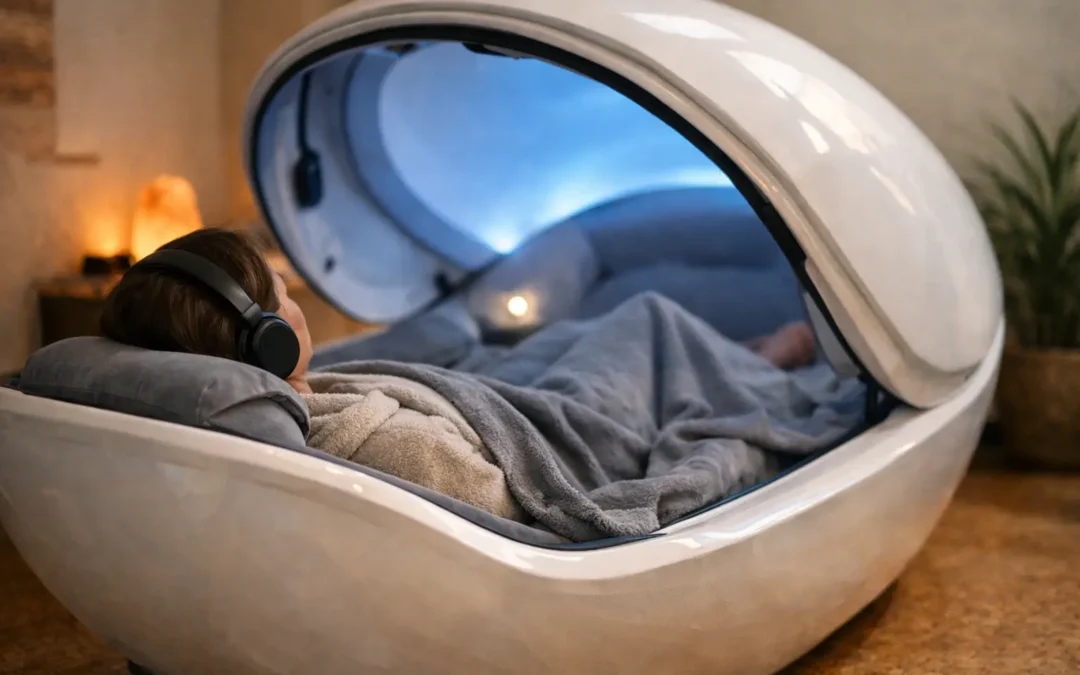
Some stress feels loud. You notice the racing thoughts, the tight jaw, the afternoon irritability. Other stress is quieter and hangs around in the background, showing up as shallow sleep, tension headaches, digestive changes, or that feeling of being tired but unable to settle. A meditation pod for stress relief may appeal to people in both camps because it creates a dedicated environment for calming the nervous system, not just another wellness task to squeeze into the day.
For a lot of people in San Luis Obispo, stress management starts with good intentions and falls apart in real life. You download the app, try to sit still on the couch, and spend half the session thinking about errands, work, or who needs to be picked up when. That does not mean meditation is not for you. It may simply mean your body needs more support getting into a relaxed state.
What a meditation pod for stress relief actually does
A meditation pod is not magic, and it is not a substitute for sleep, therapy, movement, or medical care when those are needed. What it may offer is a more guided, immersive way to shift out of fight-or-flight mode. In a wellness setting, that often means a comfortable enclosed pod, carefully selected light and sound programs, and a space designed to limit external distraction.
At Sloco Massage + Wellness, meditation pod sessions use Somadome, which combines color therapy, sound, and guided meditation in a private pod experience. For some guests, that structure makes all the difference. Instead of trying to force calm, they step into an environment that may make calm feel more accessible.
The reason this matters is pretty practical. Stress is not only mental. It often shows up physically through elevated muscle tension, poor recovery, low patience, restless sleep, and a general sense that your system is always slightly on edge. A meditation pod session may help interrupt that pattern by giving your nervous system a period of focused downregulation.
Why meditating in a pod feels different than meditating at home
Home meditation has obvious advantages. It is accessible, low cost, and flexible. Still, it asks a lot from a person who is already overstimulated. You need the time, the quiet, the discipline, and enough mental bandwidth to stay with it. If stress is already draining you, those barriers are not small.
A meditation pod changes the conditions. The enclosure reduces visual clutter. The guided audio gives your attention something to follow. The light programs may influence mood and help create a more intentional sensory experience. You are not relying on willpower alone. You are using an environment that is designed to support the state you are trying to reach.
That does not mean a pod is better for everyone. Some people prefer traditional meditation without technology. Others may feel unsure about enclosed spaces, especially at first. It depends on personality, stress level, and what helps your body feel safe enough to relax.
Who may benefit most from a meditation pod for stress relief
The people who tend to respond well are not always experienced meditators. Often, they are the ones who say, “I know I need to slow down, but I don’t know how.” That includes busy professionals whose minds stay switched on after work, parents who rarely get uninterrupted quiet, athletes who struggle to recover deeply, and anyone whose stress has become so familiar that they barely notice how activated they feel.
Guests who are juggling a lot sometimes describe the pod as the first place they have truly exhaled in weeks. That reaction makes sense. When your body has been bracing for a long time, even a short period of sensory calm may feel unusually powerful.
It may also be a good fit for people who are curious about meditation but frustrated by trying to learn it alone. A guided experience lowers the pressure. You do not need to perform wellness correctly. You just need to show up and be willing to receive support.
What the experience may feel like
Most people want to know one thing before booking: what does it actually feel like in there?
The answer varies, which is worth saying plainly. Some sessions feel deeply calming right away. Others start with mental chatter before the body gradually settles. A few people feel emotional release, especially if they have been carrying stress for a long time without much downtime. None of that is unusual.
A common experience is leaving the session feeling more spacious mentally, like the static has turned down. Some people notice better sleep that night. Others feel less physically tense in the shoulders, chest, or jaw. There are also people who simply feel more grounded and steady, which may not sound dramatic, but in a high-stress season, grounded is a big deal.
Research on meditation in general suggests it may support stress reduction, mood, and emotional regulation for many people, especially with consistency. The pod itself is a delivery format, not a guarantee. Its value is that it may help more people access a meditative state who would otherwise struggle to get there.
Stress relief works better when it fits your real life
This is where wellness often goes wrong. People assume they need the perfect routine to get results, then quit when life gets messy. A meditation pod session may work best when it becomes part of a larger rhythm of support rather than a one-time fix.
If your stress is mild and situational, an occasional session may feel like a reset. If your stress is more chronic, the benefits may build with repeated use. That is true for many nervous system practices. The body often responds better to regular signals of safety than to one dramatic intervention.
For some guests, a pod session pairs well with massage therapy because stress is landing both mentally and physically. Others may combine it with infrared sauna, red light therapy, or salt therapy based on their goals around rest, inflammation, recovery, or overall resilience. There is no single formula. The right mix depends on what your body has been dealing with and what kind of support feels realistic to maintain.
Meditation pod sessions and the nervous system
When people say they are stressed, they are often describing a nervous system that is spending too much time in activation. That may look like poor sleep, feeling wired at night, trouble focusing, increased aches, or a shorter fuse than usual. The body is not doing something wrong. It is trying to protect you, even if the response is no longer helpful.
A meditation pod may help create conditions that encourage parasympathetic activity, the side of the nervous system associated with rest and repair. That shift is not always dramatic or immediate. Sometimes it is subtle. You notice that your shoulders dropped. Your breathing got slower. The mental urgency softened.
Small changes like that matter because they may support better decisions later. When your system is less overloaded, you may sleep more deeply, recover more effectively, and respond to stressors with a little more reserve. That is often how meaningful wellness change happens – not through one huge moment, but through repeated, supportive inputs.
Is a meditation pod worth trying?
If you have been curious about meditation but find it hard to settle on your own, it may be worth trying. If you already meditate easily at home, you may still enjoy the immersive experience, though you may not need it in the same way. If enclosed spaces make you uneasy, ask questions first and choose a setting where you feel cared for.
The best wellness tools are not the trendiest ones. They are the ones you will actually use, and that your body responds to. A meditation pod for stress relief may be useful because it meets people where they are – tired, overstimulated, and wanting something that feels supportive instead of demanding.
Around SLO, many people are looking for alternatives to pushing through stress until it turns into burnout, pain, or poor sleep. A guided pod session may not solve every source of pressure in your life, but it may give your mind and body a place to reset. Sometimes that is the first step toward feeling better, healing better, and living better.