
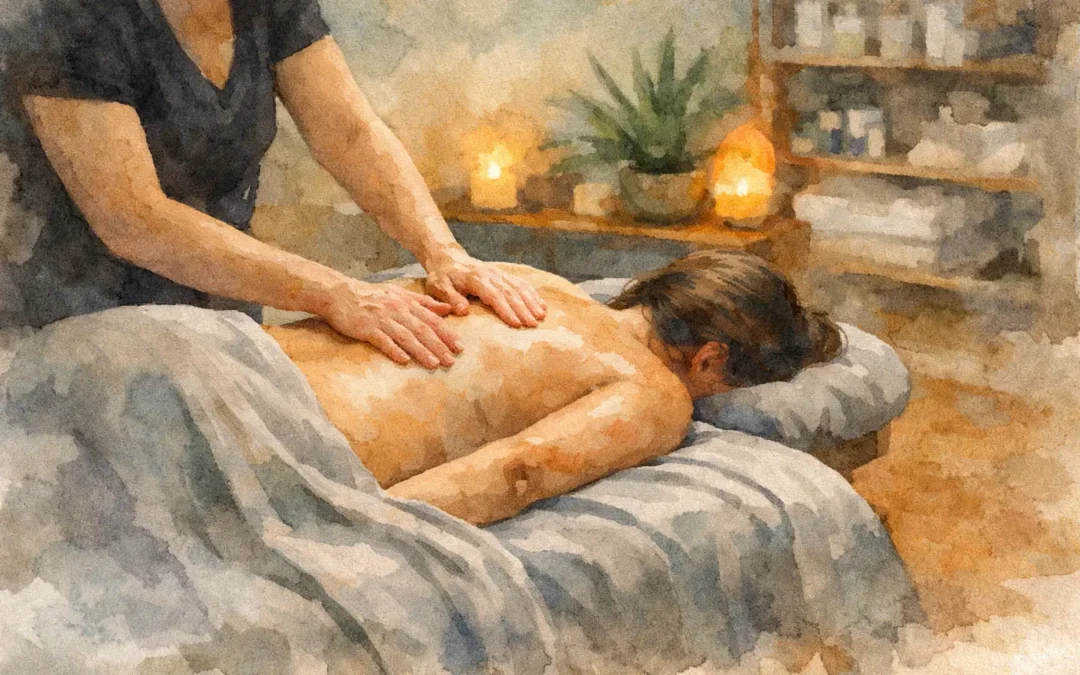
Pain has a way of shrinking your day. A stiff neck can make a work meeting feel endless, a sore low back can turn grocery shopping into a calculation, and tight calves can keep an active weekend in San Luis Obispo from feeling like much of a break. If you are searching for massage for pain relief SLO, the most useful question is not simply, “What kind of massage should I get?” It is, “What is my body asking for right now, and what approach may support it?”
Massage is not a replacement for medical diagnosis or urgent care. It is, however, a valuable part of a thoughtful wellness routine for many people living with muscular tension, overuse, stress-related discomfort, and the aches that build up when recovery falls behind daily demands.
Why pain often needs more than a quick fix
Pain is personal. Two people can point to the same place on their shoulder and have very different reasons for discomfort. One may be recovering from hours at a computer, another from carrying a baby, and another from increasing their training mileage too quickly. Sleep, stress, old injuries, movement patterns, hydration, and workload can all affect how the body feels.
That is why a one-size-fits-all massage may miss the mark. Firm pressure is not automatically better, especially when the nervous system is already on high alert. Sometimes slow, targeted work around the hips, back, jaw, or shoulders may feel most supportive. Other times, a more focused deep tissue approach may be appropriate for persistent muscular tightness. The right choice depends on your symptoms, comfort, health history, and goals for the session.
Research on massage therapy suggests it may help reduce pain and improve function for certain musculoskeletal concerns, particularly when it is part of an ongoing plan rather than a single isolated appointment. Results vary, and the benefits are often most meaningful when bodywork is paired with movement, rest, and guidance from the appropriate health professional when needed.
What personalized massage for pain relief in SLO can feel like
A therapeutic massage should not feel like you have to perform or endure it. You do not need to know the names of every muscle or arrive with a perfect explanation for what hurts. A skilled massage therapist can begin with a conversation about where you feel discomfort, when it started, what aggravates it, what has helped, and what you hope to do more comfortably afterward.
At Sloco Massage + Wellness, guests are guided toward Personalized Massages so they are not expected to be the expert. Someone who wakes with a tight upper back may need a very different session from a runner whose feet and hips feel fatigued after a hilly Central Coast route. A parent with low-back tension may also benefit from a different pace and pressure than someone who spends long hours driving or working at a desk.
During a well-designed session, your therapist may work with areas that seem connected to the painful spot, not only directly on it. For example, discomfort near the shoulder blade may be influenced by tension through the chest, neck, upper arm, or rib area. Low-back tightness can sometimes be affected by the hips and legs. This is not about chasing a perfect explanation for every ache. It is about looking at the body as a connected system and responding to what it is showing that day.
Communication matters throughout. Productive therapeutic work may feel intense at moments, yet it should remain manageable. Sharp, burning, electric, or breath-holding pain is useful information, not something to push through. Tell your therapist. Adjusting pressure, technique, positioning, or focus can make the session more effective and more comfortable.
Choosing the right approach for your pain
For general stress-related tension, a calming full-body massage may help the body settle and make it easier to notice where you have been holding strain. Many guests are surprised to find that their headaches, jaw tightness, or shoulder discomfort are closely tied to busy weeks and poor sleep. A gentler session is not “less therapeutic” when it helps downshift a system that has been running too hard.
Deep tissue work may be a better fit when you have localized muscular restriction or repetitive-use tightness and you enjoy more focused pressure. The timing matters. If an area is newly inflamed, very tender, bruised, or aggravated from a recent injury, aggressive work may not be the best first step. Your therapist can help you choose a level of intensity that respects where your body is in the recovery process.
Prenatal massage can offer meaningful comfort for many expecting parents who are dealing with changing posture, hip discomfort, leg fatigue, and disrupted rest. Proper positioning and a therapist experienced in prenatal care matter. It is wise to check with your prenatal care provider if you have a high-risk pregnancy or any concerns specific to your health.
Athletes and highly active adults often benefit from considering massage as recovery support rather than a rescue plan only used after pain becomes disruptive. Work around overworked muscle groups may support mobility and body awareness, while regular sessions can create a useful pause to assess how training, footwear, sleep, and workload are affecting the body.
Supporting recovery between sessions
A massage can create a welcome opening, though daily habits help determine what happens next. After a session, some people feel lighter immediately. Others notice a gradual change over the following day or two. Mild tenderness can occur after focused work, particularly if the area was already sensitive or you are new to massage.
Give yourself a little room to recover. Hydrate normally, eat a nourishing meal, and choose gentle movement if it feels good. A relaxed walk through a San Luis Obispo neighborhood, easy mobility work, or a quieter evening may help you hold onto the sense of ease from your session. There is no need to force a hard workout just because you feel temporarily looser.
Consistency may matter more than intensity. If tension returns every week because of work posture, caregiving, training, or sleep disruption, a care plan with appropriately spaced massage may be more helpful than waiting for one severe flare-up. That plan should remain flexible. Bodies change, seasons get busy, and what helped six months ago may not be the right choice now.
For some guests, complementary wellness services may also fit their goals. Full spectrum infrared sauna, dry salt therapy, red light therapy, electric whole body cryotherapy, and meditation pod sessions can be considered as part of a broader recovery routine. These services are not a cure for pain, and they are not right for everyone. Used thoughtfully, they may support relaxation, recovery, sleep, and the feeling of having a dedicated place to care for yourself.
When massage should wait
Massage is often supportive, yet there are times to seek medical evaluation first. New severe pain after a fall or accident, unexplained swelling, fever, numbness or weakness, chest pain, shortness of breath, or loss of bladder or bowel control needs prompt medical attention. It is also important to share recent surgeries, blood-clotting concerns, skin infections, osteoporosis, cancer treatment, medication changes, and other relevant health information before your session.
If pain is persistent, worsening, or interfering with daily life, a massage therapist can be one part of your support team, not the only person you consult. Coordinated care may include your physician, physical therapist, or another qualified provider. The goal is not to dismiss pain or cover it up. It is to understand it well enough to make wise next steps.
A better starting point than “just deal with it”
You do not have to wait until discomfort takes over your routine to ask for support. Whether your goal is getting through a workday with less neck tension, recovering more comfortably after exercise, sleeping more deeply, or simply feeling more at home in your body, a personalized massage session can be a practical place to begin.
Come in with the honest version of how you feel, even if it is hard to describe. A thoughtful plan can start there, with care that meets your body where it is and helps you make room for the life you want to enjoy.