
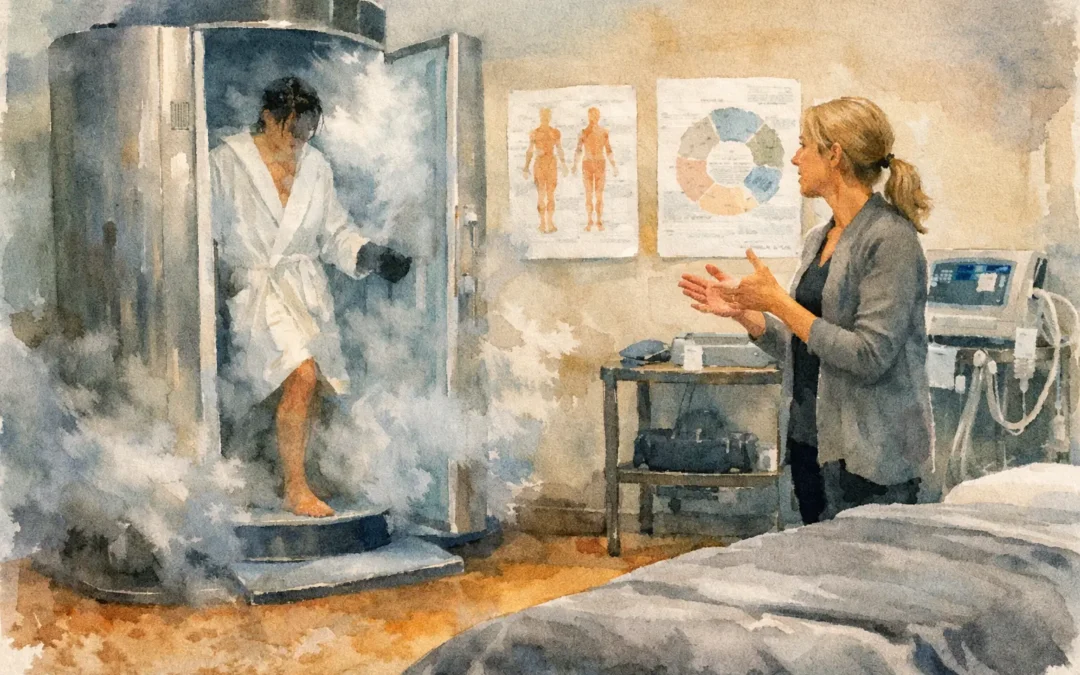
If you have ever stepped out of a hard workout, a long workweek, or a stretch of poor sleep feeling puffy, sore, and not quite like yourself, whole body cryotherapy benefits start to make sense fast. The appeal is simple: a very short session in extremely cold air may help your body feel less inflamed, more energized, and better recovered without adding more stress to your schedule.
That said, cryotherapy is not magic, and it is not the right fit for every person every time. It works best when you understand what it may do, what it probably will not do, and how it fits into a bigger wellness routine.
What whole body cryotherapy benefits may actually feel like
Most guests are curious about the cold first. That part is real, but so is how brief the session is. In electric whole body cryotherapy, you spend a few minutes in a controlled cold environment while your skin receptors respond quickly to the temperature change. You are not sitting in an ice bath for twenty minutes. It is intense, but short.
What people often notice first is a shift in how their body feels afterward. Some describe feeling lighter in their joints. Others say they feel more awake, more mobile, or less weighed down by soreness. For someone dealing with post-workout fatigue, tension from sitting at a desk, or that general inflamed feeling that comes after stress piles up, that change may feel significant even after one session.
There is also a nervous system piece to this. Cold exposure may trigger the release of endorphins and norepinephrine, which helps explain why some people report a lift in mood or energy. It is not unusual for a guest to come in feeling foggy and leave feeling more alert. That does not mean cryotherapy replaces sleep, hydration, good nutrition, or medical care. It means it may support the body in a way that feels noticeable.
Whole body cryotherapy benefits for recovery and inflammation
Recovery is where cryotherapy tends to get the most attention, especially from athletes and active adults. Runners, lifters, cyclists, and weekend warriors often look for ways to reduce soreness so they can get back to training without feeling stuck in a cycle of stiffness.
Cold exposure may help calm the body’s inflammatory response after physical strain. That does not mean inflammation is bad across the board. Some inflammation is part of healing and adaptation. The goal is not to shut your body down. The goal is to support a more comfortable recovery when the response feels excessive or when soreness lingers longer than you would like.
Research on whole body cryotherapy is promising in some areas, especially around muscle soreness, perceived recovery, and short-term pain reduction, though results are mixed depending on the study design and the population. That matters. A competitive athlete training twice a day may respond differently than a parent with neck tension and poor sleep. Both may feel better after a session, but for different reasons.
In a place like San Luis Obispo, where people are often balancing outdoor activity with work, parenting, and everyday stress, recovery is not just a sports issue. It is a life issue. If you are surfing, hiking, strength training, or simply carrying too much tension in your body, cryotherapy may be one of the tools that helps you stay more consistent with movement.
Pain relief is one of the most talked about benefits
For guests dealing with aches that never quite leave, pain relief is often the real reason they are interested. Whole body cryotherapy may help reduce the sensation of pain by lowering nerve activity and calming irritated tissues. This is one reason some people use it for joint discomfort, muscle tightness, or old injury flare-ups.
The key word is may. Pain is personal. The source matters, the severity matters, and your overall health matters. Someone with chronic back tension from stress may respond differently than someone recovering from a race or someone navigating age-related joint stiffness.
What makes cryotherapy appealing is that it is non-invasive and quick. For people who are trying to avoid leaning too hard on medication or who want more options before considering more aggressive approaches, that matters. It may not replace a full treatment plan, but it can be a useful part of one.
Mood, energy, and mental reset
One of the more underrated whole body cryotherapy benefits is how it may affect your mental state. Guests sometimes come in expecting help with soreness and leave talking about how awake they feel. That is not surprising.
The rapid cold exposure may stimulate the body in a way that feels mentally clarifying. Some people experience it as a reset, almost like stepping out of a fog. If stress has been building, your sleep has been off, or your body feels heavy and sluggish, that quick shift may feel especially welcome.
This does not mean cryotherapy is a treatment for anxiety, depression, or burnout. It does mean that for some people, especially those who are physically depleted and mentally stretched thin, it may support a better sense of balance and resilience. In practice, that could look like feeling more motivated to move, more comfortable in your body, or simply less run down.
Skin, circulation, and the “I feel less puffy” effect
There is a reason some guests ask about cryotherapy when they are focused on body rejuvenation, not just recovery. Cold exposure causes blood vessels near the skin to constrict and then reopen as the body warms back up. That process may support circulation and temporarily reduce puffiness.
People often notice this in a practical way. Rings fit a little better. Legs feel less heavy. The face looks a touch more refreshed. Those effects are not the same as long-term structural change, and it is better to be honest about that. Cryotherapy may support how your body feels and looks in the short term, especially when inflammation and fluid retention are part of the picture.
For some guests, that refreshed feeling is enough to make it worthwhile. For others, it works better as part of a broader plan that may also include infrared sauna, red light therapy, massage, hydration, and sleep support.
Who tends to benefit most from cryotherapy
People who usually get the most out of cryotherapy are not all the same, but they do tend to share one thing: their body is asking for recovery support. That might be the athlete training consistently, the busy professional carrying shoulder tension, the parent who feels swollen and depleted, or the active older adult trying to stay mobile.
Cryotherapy may be especially appealing if you want a brief, non-invasive session that fits into a real schedule. You do not need half a day set aside. You also do not need to be in peak athletic condition to appreciate it. Many people use it simply because they want to feel better in their body and keep inflammation from running the show.
Still, it is not ideal for everyone. Certain medical conditions may make cold exposure inappropriate, which is why screening and professional guidance matter. This is one of those wellness services where personalization counts.
What to expect from a session
If you have never tried it, the experience is more approachable than most people expect. You wear protective gear where needed, step into the chamber, and remain there for a short, guided session. The cold is dry, not wet, and that changes the experience a lot.
Most first-timers are surprised by two things. The first is how manageable the time feels. The second is how quickly they notice a response from their body, whether that is tingling skin, increased alertness, or a sense of release in tight areas.
At Sloco Massage + Wellness, guests in SLO often pair electric whole body cryotherapy with other recovery-focused services depending on their goals. Someone focused on stress may combine it with a meditation pod session. Someone dealing with body soreness may use it alongside personalized massage or infrared sauna. That kind of layering tends to make more sense than treating any single service like a cure-all.
The best way to think about whole body cryotherapy benefits
The most useful mindset is to see cryotherapy as support, not salvation. It may help reduce soreness, calm pain, boost energy, improve perceived recovery, and give your nervous system a fresh signal. For some people, that shift is immediate. For others, the benefits build with regular use and the right combination of therapies.
Your biology, habits, stress load, and goals all shape the outcome. If your body has been asking for recovery, relief, or a reset, cryotherapy may be worth exploring with realistic expectations and a personalized plan.
Sometimes feeling better starts with giving your body a different kind of input, then paying attention to how it responds.