
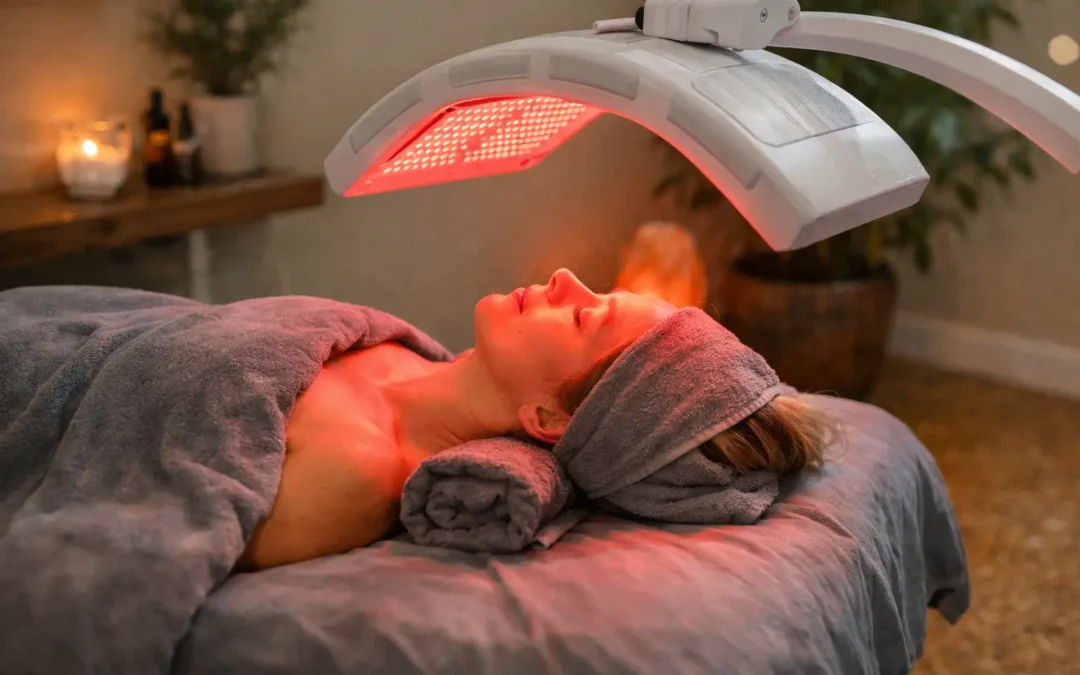
If your skin has started looking a little dull, uneven, or more tired than you feel, you’re not imagining it. Stress, sun exposure, sleep habits, hormones, and simple aging all show up on the face first. That’s one reason red light therapy for skin rejuvenation has become such a popular option for people who want a gentler, non-invasive way to support healthier-looking skin without jumping straight to more aggressive treatments.
At a wellness center, we see this a lot in guests who originally come in for something else. They may be looking for help with stress, inflammation, or recovery, then realize their skin concerns are tied into the same bigger picture. When the body is under strain, the skin often reflects it. Better skin support usually works best when it’s part of a more consistent wellness routine, not a one-time fix.
How red light therapy for skin rejuvenation works
Red light therapy uses specific wavelengths of light that are absorbed by the skin and underlying tissues. The goal is not to heat or damage the skin. Instead, the light may help support cellular energy production, which plays a role in how skin repairs and renews itself.
This matters because skin rejuvenation is really about function, not just appearance. When skin is healthy, it tends to look smoother, firmer, calmer, and more even. Research has suggested that red light therapy may support collagen production, circulation, and the skin’s natural recovery processes. Over time, that may translate into softer fine lines, improved tone, and a healthier overall glow.
The word glow gets overused in skincare, but there is a practical reason people say it. Skin that is less inflamed and better supported often reflects light differently. It can look more rested, even when changes are still subtle.
What red light therapy may help improve
Most people are not looking for perfection. They want to look more like themselves again. Red light therapy may be worth considering if your concerns include fine lines, mild laxity, uneven texture, redness, or post-breakout marks.
It may also be appealing if your skin tends to look stressed rather than deeply aged. A lot of adults in San Luis Obispo are balancing work, parenting, workouts, sun exposure, and not enough downtime. In that kind of real life, skin often needs support with recovery more than drastic correction.
You may notice benefits such as a more even tone, softer texture, less visible irritation, and a fresher appearance over time. Some guests also say their skin feels calmer and less reactive. That said, results depend on the condition being treated, your age, your baseline skin health, and how consistently you do sessions.
What it does not do
Red light therapy is not the best fit for every skin goal. If someone has deeper wrinkles, significant sagging, more advanced pigmentation, or wants dramatic resurfacing, they may need a different approach or a combination plan. It’s a supportive therapy, not a miracle treatment.
That distinction matters. The people happiest with red light therapy usually understand that progress tends to build gradually. It may help the skin function better, which often looks more natural than a sudden cosmetic change.
Why consistency matters more than intensity
One of the biggest misunderstandings about red light therapy is the idea that one long session should create a big result. Skin rarely works that way. Most rejuvenation happens through repetition.
Think of it like sleep, exercise, or bodywork. A single good session may help, but regular care is what shifts the baseline. With red light therapy, shorter, consistent treatments often make more sense than chasing intensity. The skin responds to cumulative support.
That’s also why professional guidance can be useful. The right schedule depends on what you’re trying to improve and what else is happening with your skin. Someone dealing with mild redness and dullness may need a different rhythm than someone focused on fine lines or post-inflammatory marks.
When people start seeing changes
Some people notice their skin looks brighter or less tired fairly quickly. Changes in texture and overall tone may show up within a few weeks. Collagen-related improvements usually take longer.
A realistic timeline is important. If you’re expecting overnight transformation, you’ll probably be disappointed. If you’re looking for steady, non-invasive support that may build over time, red light therapy tends to make more sense.
Professional treatment versus at-home devices
This is where expectations matter a lot. At-home devices have become more common, and some people do enjoy them. They may be a nice addition for maintenance, especially if you’re disciplined enough to use them regularly.
Professional systems are usually more powerful, more targeted, and easier to use consistently because the session is already built into your routine. That may make a difference if you want visible results and you know life gets busy. A device sitting in a drawer does not help your skin.
For many people in SLO, the best choice comes down to habits. If you love home care and stick to it, an at-home device may be worthwhile. If you want a more structured approach, professional sessions may give you a better chance of staying consistent and getting guidance along the way.
Red light therapy and combination care
Skin rejuvenation often works better when it is not treated as a standalone issue. Hydration, stress, inflammation, sleep quality, and circulation all influence how your skin looks. That’s one reason red light therapy fits naturally into a broader wellness setting.
For example, someone dealing with tension, poor sleep, and dull skin may benefit from more than one kind of support. If the nervous system is constantly running hot, skin may stay reactive. If recovery is poor, repair may feel slow. A more integrated plan may help support better outcomes overall.
At Sloco Massage + Wellness, guests often appreciate that they don’t have to figure all of this out alone. Red light therapy may be one piece of a personalized plan, especially for people who want a natural approach to aging well and feeling better in their body, not just looking polished for a week.
Is red light therapy safe for most people?
In general, red light therapy is considered non-invasive and well tolerated for many people. It does not involve UV exposure, and it should not damage the skin when used appropriately. That’s part of its appeal.
Still, more gentle does not mean one-size-fits-all. If you have a specific skin condition, take medications that increase light sensitivity, or have concerns about irritation, it’s smart to ask questions before starting. A thoughtful provider should help you decide whether it makes sense for your skin and goals.
This is also where honesty helps. If your goal is event-ready skin in two days, there may be faster options. If your goal is to support skin health gradually without downtime, red light therapy may be a good fit.
Who tends to love red light therapy for skin rejuvenation
The people most drawn to this service are often looking for a middle path. They are not interested in doing nothing, and they are not ready for invasive treatments either. They want to support collagen, improve tone, and feel better about their skin in a way that feels sustainable.
That includes busy professionals who are noticing stress in their face, active adults with lots of sun exposure, women navigating hormonal skin shifts, and anyone who wants a more natural-looking approach to aging. It also appeals to people who already value recovery, wellness, and whole-body care because the logic feels familiar. Support the body well, and the surface often follows.
One guest story we hear versions of often is this: someone comes in thinking their main issue is looking tired. After a few sessions, they notice their skin seems brighter, but they also realize they’re sleeping better, taking better care of themselves, and paying more attention to recovery. That kind of shift tends to last longer than chasing a single cosmetic result.
If you’re curious about red light therapy for skin rejuvenation, the best mindset is to stay open and realistic. Notice how your skin responds. Give it enough time to show you something. And choose care that supports not just how you look in the mirror, but how you feel living in your skin every day.