
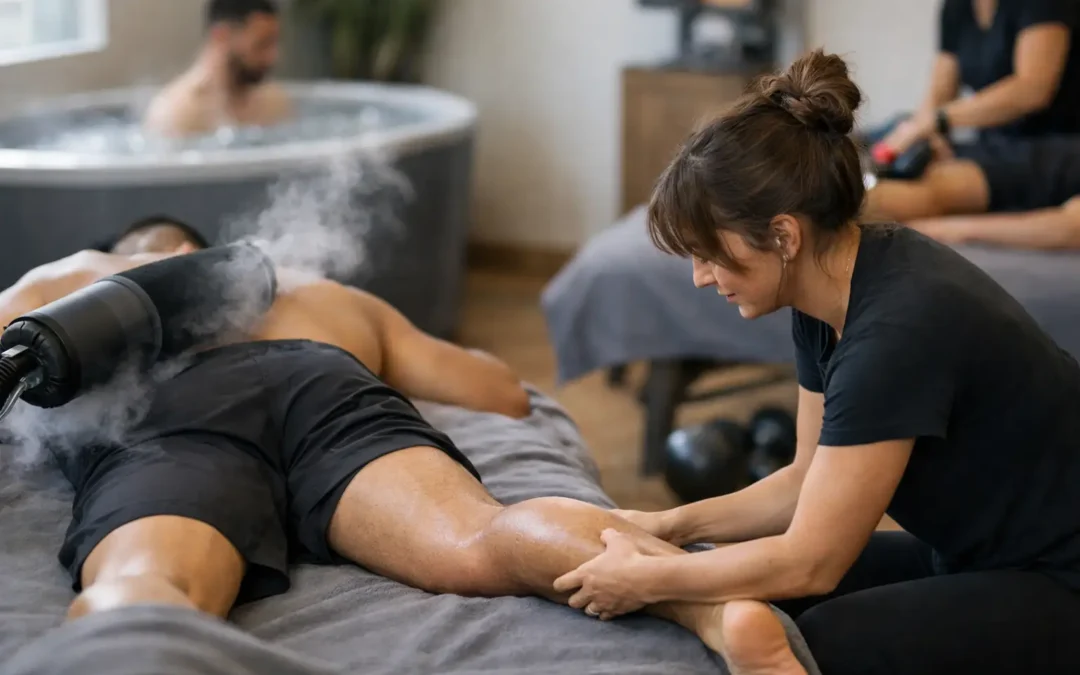
That post-workout soreness is not always a badge of honor. Sometimes it is your body asking for better support. A smart guide to sports recovery therapies is really about one thing – helping you recover well enough to keep training, working, sleeping, and living without feeling like your body is always trying to catch up.
For active adults, runners, gym regulars, and weekend athletes, recovery is rarely about one miracle fix. It is about finding the right mix for your body, your schedule, and the kind of stress you are putting on your system. What helps after a long run may not be the same thing that feels best after heavy lifting, a pickleball tournament, or weeks of poor sleep layered on top of training. That is why personalized care tends to matter more than chasing trends.
What sports recovery therapies are really trying to do
Recovery therapies are designed to support the body between training sessions, competitions, and physically demanding days. Depending on the method, they may help reduce perceived soreness, support circulation, calm the nervous system, improve mobility, or make it easier to relax into deeper sleep. Those outcomes matter because performance is not built only in the workout. It is built in the hours and days after.
There is also a practical side people often overlook. A lot of athletes are not dealing with pure sports fatigue. They are dealing with sports fatigue plus desk posture, stress, poor sleep, travel, parenting, and old injuries that never fully got attention. In real life, recovery plans need to account for the whole person.
A guide to sports recovery therapies that actually makes sense
The best place to start is with the therapies that match your current need. If you feel tight and restricted, your body may respond best to hands-on work. If you feel inflamed or overheated, cold-based recovery may be worth considering. If you are dragging from cumulative fatigue, nervous system support may matter just as much as muscle work.
Massage therapy for tension, stiffness, and overuse
Massage is still one of the most useful recovery tools because it can be adapted to the person in front of you. A deeper session may help address dense tissue, overworked legs, shoulder tension, or the kind of restriction that changes how you move. A more moderate, personalized approach may be a better fit when your body is already stressed and does not need more intensity.
This is where a lot of active people get it wrong. They assume harder is better. Sometimes that is true. Sometimes an aggressive session leaves you feeling more guarded, not less. The right pressure depends on training load, pain sensitivity, hydration, sleep, and timing around your event.
For many guests, especially those who first search for a massage therapist in San Luis Obispo or massage therapy SLO options, massage becomes the entry point. Then they realize recovery is not only about knots. It may also be about sleep quality, stress load, inflammation support, and keeping the body resilient enough to train consistently.
Infrared sauna for recovery that feels restorative
Infrared sauna is often a good fit for athletes who feel stiff, heavy, or generally run down. The heat may help encourage relaxation, support circulation, and create a calm reset after hard training or long workdays. It is especially appealing for people who do not want every recovery session to feel clinical or intense.
That said, timing matters. Going into sauna severely dehydrated or immediately after an exhaustive workout may not feel great. Some people do better using heat later in the day or on lighter training days. If your system already feels taxed, the goal is to support recovery, not stack more stress onto it.
Cryotherapy for soreness and post-effort reset
Whole body cryotherapy has become popular for a reason. Many active people like the quick, invigorating feeling after a session, and some report less soreness and a better sense of readiness afterward. It may be especially useful during periods of heavy training, tournament weekends, or when your body feels inflamed and sluggish.
Cryotherapy is not for everyone, and it is not a replacement for sleep, nutrition, or smart programming. But in the right context, it can be a helpful tool. Think of it as one lever among many, not a cure-all. If you hate cold, forcing yourself into it because an elite athlete posted about it may not be the best strategy.
Red light therapy for cellular support
Red light therapy is one of those modalities people often dismiss until they try it consistently. While research is still evolving across different applications, red and near-infrared light are often used to support cellular function, recovery, and tissue health. Some athletes use it as part of a broader routine when they are trying to stay ahead of fatigue rather than waiting until they feel terrible.
What makes it appealing is that it is non-invasive and easy to layer into a recovery plan. It may not create the dramatic sensation of a massage or cryotherapy session, but subtle therapies often become valuable because they are easy to repeat.
Compression-based lymphatic support for heavy legs and sluggish recovery
When your legs feel puffy, heavy, or slow after travel, long training blocks, or standing all day, compression-based lymphatic support may be worth considering. Ballancer Pro uses rhythmic compression to support circulation and fluid movement, and many people find it deeply relaxing.
This kind of therapy is not just for elite athletes. It may help active adults who feel swollen after long car rides, parents who are always on their feet, or runners whose lower body recovery feels slower than it used to. Sometimes the biggest win is simply feeling lighter and less bogged down.
Meditation and nervous system recovery
Physical recovery is only half the picture. If your nervous system stays in overdrive, your body may struggle to shift into repair mode. That is where guided meditation technologies, breath-led rest, and quiet recovery sessions can make a real difference.
Athletes do not always love hearing that stress management affects performance, but it does. If your sleep is poor and your baseline stress is high, soreness often lingers longer and motivation tends to drop. A meditation pod session, for example, may help some people settle enough to recover more fully, especially during intense life seasons when training stress is not the only stress that matters.
How to choose the right sports recovery therapy
The simplest question is this: what feels most limiting right now? If it is pain and restricted movement, start with personalized bodywork. If it is swelling, heaviness, or post-travel sluggishness, compression support may be the better fit. If it is full-body fatigue, poor sleep, or stress, a sauna or meditation-focused session may make more sense than another hard tissue session.
You also want to think about timing. Before an event, many people do better with lighter, mobility-supportive work rather than deep, disruptive treatment. After an event, the goal may be to calm soreness and restore a sense of balance. During a heavy training month, shorter but more regular sessions often outperform one occasional, intense appointment.
This is where a personalized recovery center can be helpful. Instead of guessing which trend fits you, you get a plan that reflects your body, your schedule, and your goals. At Sloco Massage + Wellness, that often means building around the person rather than forcing the person into a fixed menu. Someone training for a half marathon may need a very different rhythm than someone getting back into exercise after years of tension and burnout.
What a balanced recovery routine looks like
Most people do not need every therapy. They need consistency with a few therapies that match their life. A sustainable plan might include massage twice a month, sauna once or twice a week, and occasional cryotherapy or red light sessions during heavier training cycles. For someone else, it may be bodywork plus meditation support because the bigger issue is stress-driven tension.
A small 2020 review in sports medicine literature suggested that different recovery methods may affect soreness, perceived fatigue, and short-term performance in different ways, but results vary based on the athlete and the protocol used. That is the real story with recovery. It depends. The best routine is the one you will actually keep using and the one your body consistently responds to.
If you live in San Luis Obispo or train on the Central Coast, recovery also has a local rhythm. Trail runs, surf sessions, cycling, tennis, strength training, and long workdays all load the body differently. Your therapy mix should reflect that reality, not a generic plan built for somebody else.
The goal is not to become someone who spends more time recovering than living. The goal is to create enough support that your body feels capable, resilient, and ready for what you ask of it next. When recovery is done well, you do not just feel less sore. You feel more like yourself again.