
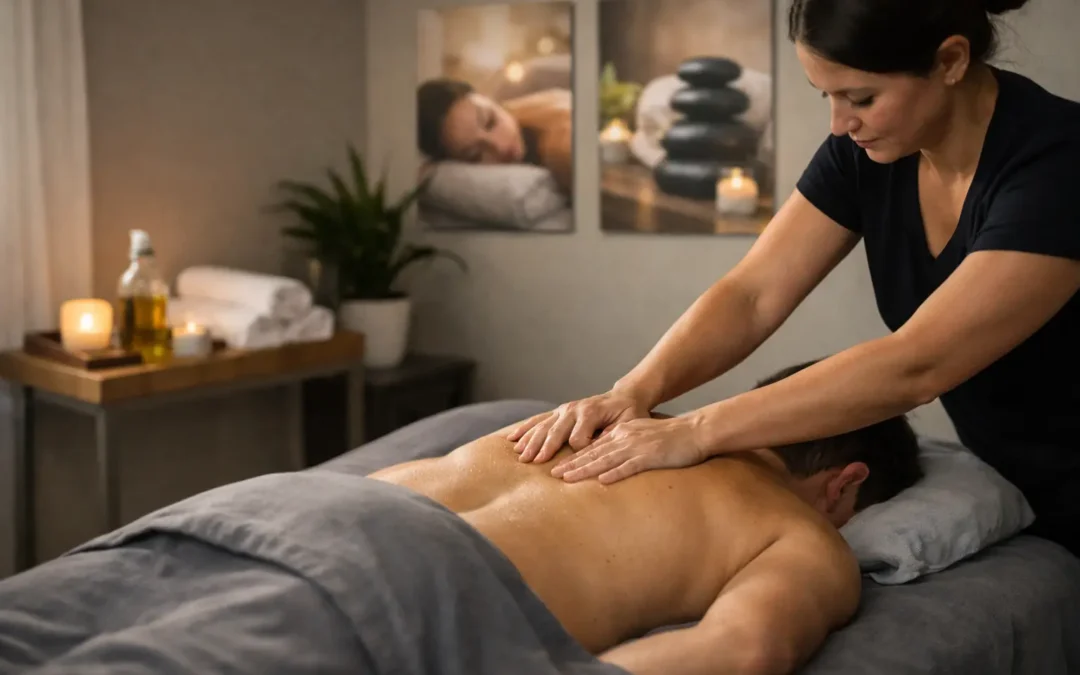
A lot of people book a massage when their body has already been talking to them for weeks. The stiff neck that turns your head into a chore. The low back tightness that shows up after sitting too long. The shoulders that never really drop, even when you are supposed to be relaxing. That is usually where interest in deep tissue massage benefits begins – not with luxury, but with the simple desire to move, sleep, and feel better.
What deep tissue massage benefits really mean
Deep tissue massage is often misunderstood as just a harder massage. That is not quite right. Pressure matters, but the real goal is more specific than intensity. This style of bodywork focuses on deeper layers of muscle and connective tissue, especially in areas where tension has become persistent, patterned, or painful.
For many guests, the appeal is practical. They are not looking for a generic spa treatment. They want help with knots that keep returning, post-workout soreness that lingers too long, or tension that seems to pull one part of the body out of alignment with the rest. Deep tissue work may help by addressing those chronic holding patterns more directly than a lighter session.
That said, deeper is not always better. The right session depends on your body, your stress level, your pain history, and what your tissues are ready for that day. Good work should feel purposeful, not punishing.
The most common deep tissue massage benefits
One of the biggest reasons people seek this kind of massage is pain relief. When muscles stay tight for too long, they may start to restrict movement, irritate nearby structures, and create a cycle where discomfort leads to compensation, which leads to even more discomfort. Deep tissue work may help interrupt that cycle by reducing tension in overworked areas and improving how muscles glide and function.
Mobility is another major benefit. Tight hips, restricted shoulders, and a stiff upper back do not just feel bad. They change how you move through daily life. Reaching overhead, getting out of the car, bending down to pick something up, or finishing a workout with good form can all become more difficult. By working into deeper tension patterns, massage may help the body move with less resistance.
Recovery matters too. Athletes, runners, fitness enthusiasts, and active adults often book deep tissue massage because their bodies are under regular load. Training itself is not the problem. The challenge is recovering well enough to keep going without stacking fatigue on top of tightness. Deep tissue sessions may support circulation, ease lingering soreness, and help muscles feel more responsive between workouts.
Stress plays a role here as well. Even when someone comes in for neck pain or back pain, stress is often part of the picture. The body tends to store that stress physically – clenched jaw, raised shoulders, shallow breathing, tight hips. Deep work may help release some of that protective bracing. Not everyone leaves feeling sleepy and melted into the table. Some leave feeling lighter, taller, and able to breathe more fully. That counts too.
Pain relief is rarely just about one sore spot
A guest may come in saying their shoulder hurts, but the issue may also involve the chest, neck, mid-back, or how they are using their arm at work. That is why personalized care matters. Pain is not always local, and effective massage therapy usually looks beyond the loudest symptom.
This is especially relevant for people who have tried stretching at home and still feel stuck. Stretching helps some people. For others, the tissue needs hands-on work first before movement feels useful again.
Who may benefit most from deep tissue massage
This approach often works well for people with chronic tension, repetitive strain, postural fatigue, or workout-related tightness. Office workers, parents carrying young children, nurses on their feet all day, and weekend athletes tend to have one thing in common – their bodies adapt to repetitive demands until those adaptations stop feeling sustainable.
Deep tissue massage may also be a good fit for people who are looking for natural, non-invasive support before jumping straight to more aggressive options. It is not a replacement for medical care when that is needed, but it may be a valuable part of a broader wellness plan.
In a place like San Luis Obispo, where many people are active and trying to stay active as they age, this matters. You do not need to be training for a race to want better recovery. Sometimes the goal is simply to garden without back pain, sleep without shoulder discomfort, or get through a workweek without feeling physically drained.
When deep tissue is not the right call
There are days when your body needs a gentler approach. If your nervous system is already overloaded, very deep pressure may feel like too much input rather than relief. If you are dealing with acute inflammation, a recent injury, or a flare-up that makes touch feel sharp and reactive, your massage therapist may recommend adjusting the session instead of forcing depth.
This is where experience matters. The best massage therapy in SLO is not about giving every person the same protocol. It is about reading the body well, listening carefully, and choosing a treatment that matches the moment.
Some people also assume soreness after massage means it worked. Mild tenderness can happen, especially if tissue has been tight for a long time, but excessive soreness is not a badge of honor. Productive work should leave you feeling like your body has more room, not like it got into a fight.
What to expect during and after a session
Deep tissue massage usually starts with an intake conversation about your goals, tension areas, movement limits, and health history. That part matters more than people think. If you have been waking up with headaches, struggling with hip tightness during runs, or noticing back pain after long drives, those details help shape the session.
During the massage, your therapist may use slower strokes, sustained pressure, and focused work on specific muscle groups. You may notice moments of intensity, but you should still be able to breathe. If you are holding your breath or bracing hard, the pressure may need to change.
Afterward, many people feel a mix of relief and recalibration. The body sometimes needs time to settle into a new pattern. You may feel looser right away, or you may notice the biggest shift the next morning when getting out of bed feels easier. Hydration, rest, and light movement may all support that process.
Results usually build over time
For long-standing tension, one session may help, but a series often works better. Think of it less like flipping a switch and more like unwinding a pattern. If tight shoulders have been your default for three years, it is reasonable that your body may need consistency, not just one good hour.
That is why many guests do best with a plan instead of a one-time appointment. At Sloco Massage + Wellness, this is a big part of how care is approached. You do not have to figure out the perfect service mix on your own. The goal is to match the treatment to what your body is asking for now, while keeping an eye on longer-term recovery and resilience.
Deep tissue massage benefits in the bigger picture of wellness
Massage works best when it is part of a larger conversation about how you live. Sleep, stress, training load, hydration, inflammation, and screen-heavy workdays all affect how your body feels. Deep tissue massage may help reduce the physical load you are carrying, but lasting improvement often comes from layering support in a realistic way.
For one person, that may mean combining regular massage with infrared sauna sessions because heat helps their tissue relax before hands-on work. For another, it may mean using red light therapy or cryotherapy as part of a recovery routine. Someone dealing with stress and poor sleep may benefit more from alternating deeper bodywork with calming nervous system support. There is no single formula, which is actually good news. It means your care can be built around your life instead of forcing your life around a rigid plan.
One guest might notice that their weekly headaches start showing up less often after consistent neck and upper back work. Another may realize they recover faster from strength training when massage is part of the month. Those are meaningful outcomes, even if they do not happen overnight or exactly the same way for everyone.
If your body has been asking for attention in the form of stiffness, soreness, or fatigue, there is value in listening early. Deep tissue massage benefits are often less about quick fixes and more about creating enough relief that you can return to your life with more ease, better movement, and a little more trust in your body again. That is a strong place to begin.