
You wake up puffy, your rings feel tighter than usual, and your body seems a step behind even after a decent night of sleep. That is often when people start searching for how to detox and drain lymphatic system support at home. The tricky part is that the lymphatic system is not something you force. It tends to respond best to steady daily habits, smart recovery, and the right kind of support when your body feels overloaded.
What the lymphatic system actually does
Your lymphatic system helps move excess fluid, waste, and immune cells through the body. Unlike blood circulation, which has the heart as a pump, lymph relies heavily on muscle movement, breathing, and changes in pressure to keep things flowing. When that flow slows down, some people notice puffiness, heaviness, mild swelling, sluggish recovery, or that vague feeling of being run down.
That does not mean every symptom is a lymph issue. Bloating, fatigue, and swelling may have many causes, from salt intake and hormonal changes to medication side effects or an underlying medical condition. That is why a grounded approach matters. Support the system in ways that are generally healthy, and pay attention to patterns instead of chasing quick fixes.
How to detox and drain lymphatic system support starts at home
If you want to help your lymphatic system work more efficiently, start with the basics most people skip. Gentle movement is usually the biggest one. Walking, light rebounding, mobility work, and stretching may help because muscle contraction helps move lymph along. Intense exercise has benefits too, but if your body is already inflamed, depleted, or stressed, more is not always better.
Hydration matters for the same reason. Lymph is fluid, and your body tends to work better when you are consistently hydrated instead of trying to catch up at the end of the day. Plain water is enough for most people, though adding mineral-rich foods may help support overall fluid balance.
Breathing is another underrated piece. Deep diaphragmatic breathing changes pressure inside the body and may encourage lymph flow through the thoracic duct, one of the major lymphatic vessels. Even five minutes of slower breathing may leave you feeling less tense and less stuck.
Sleep also belongs in this conversation. Recovery is when your body gets to repair, regulate inflammation, and restore normal rhythms. If stress is high and sleep is poor, your body may hold onto water more easily and feel slower to bounce back.
Daily habits that may help lymph move better
A good lymph-support routine does not need to be complicated. It needs to be repeatable.
Start your morning with water and a short walk, even if it is only ten minutes. If you sit for work, get up every hour or two and move your ankles, hips, shoulders, and spine. Those small movement breaks add up more than one hard workout followed by ten sedentary hours.
Dry brushing gets a lot of attention, and some people enjoy how it feels before a shower. It may help with circulation at the skin level and body awareness, but it is not magic. Think of it as optional, not essential.
Heat may also be useful for some people. Infrared sauna sessions may support circulation, relaxation, and sweating, which many guests find helpful when they feel heavy or sluggish. The key is knowing your body. If you are already dehydrated, heat can leave you feeling worse instead of better.
Compression is another tool that often makes more practical sense than trendy detox products. Intermittent pneumatic compression, such as Ballancer Pro, uses a rhythmic sequence to encourage fluid movement through the body. For people dealing with puffiness, post-travel heaviness, or sluggish recovery, that kind of support may feel more noticeable than supplements with vague promises.
What gets in the way of lymphatic flow
Most people do not have one single problem. They have a stack of small things working against them.
Long stretches of sitting are a big one. So are chronic stress, poor sleep, dehydration, inflammatory eating patterns, and overtraining without enough recovery. Tight clothing may also contribute to that compressed, congested feeling in some areas, especially if you are already prone to swelling.
Alcohol and high-sodium meals can temporarily increase water retention, which people often mistake for a deeper detox problem. Hormonal shifts can do the same. If you notice puffiness at certain times of the month or after travel, your body may need more support with circulation and recovery, not a dramatic cleanse.
That is where nuance matters. A three-day juice cleanse may sound clean and disciplined, but for many people it is more stress than support. If blood sugar gets unstable, protein drops too low, or you end up fatigued and irritable, your body may not respond well.
How to detox and drain lymphatic system without extreme cleanses
There is a big difference between supporting detox pathways and trying to bully your body into detoxing faster. Your liver, kidneys, skin, lungs, digestive tract, and lymphatic system are already doing that work all day. The goal is to reduce what overloads them and improve the conditions that help them function well.
That usually looks like consistent hydration, enough protein, fiber-rich meals, regular bowel movements, manageable stress, and movement you can recover from. Cruciferous vegetables, berries, citrus, herbs, and adequate electrolytes may support overall wellness, but they work best as part of a pattern, not as a one-time rescue plan.
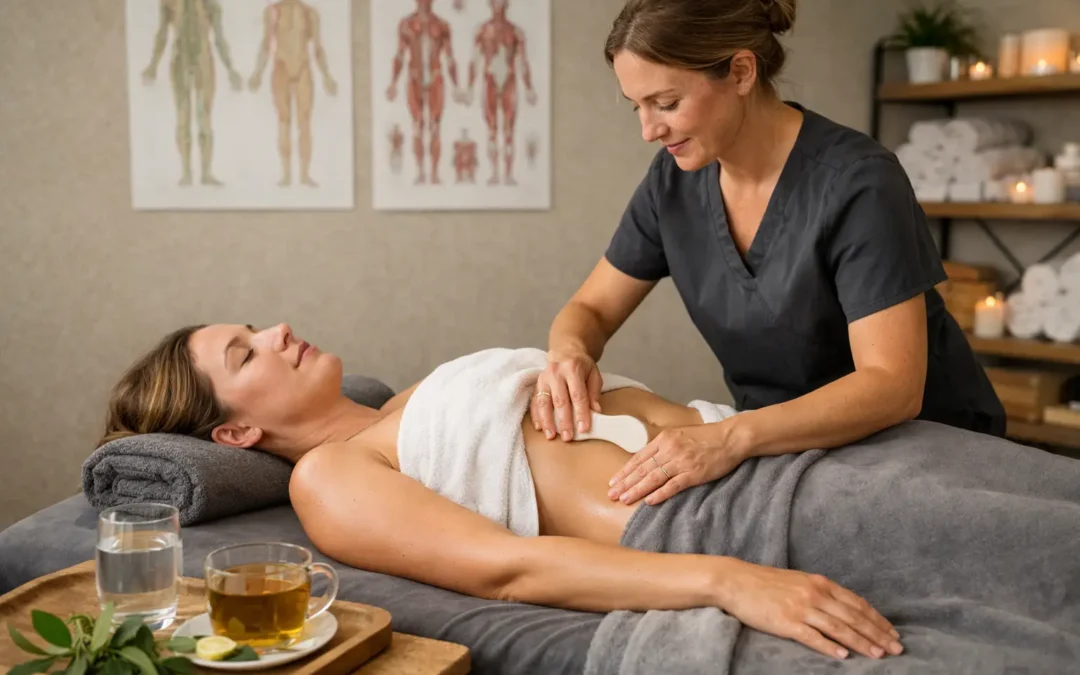
For some people, bodywork and recovery therapies also make that pattern easier to maintain. If your nervous system is always in overdrive, your muscles are tight, and sleep is fragmented, healthy choices are harder to sustain. Therapeutic massage, sauna, red light therapy, and compression-based lymphatic support may help you feel more comfortable in your body, which often makes better routines more realistic.
One guest might come in feeling swollen after a long flight and a stressful work week. Another may be an active parent who trains hard, sleeps lightly, and feels puffy and sore by Friday. Their solutions may overlap, but not completely. That is why personalization matters more than copying someone else’s detox protocol from social media.
When professional support makes sense
If your body feels chronically heavy, swollen, inflamed, or slow to recover, at-home habits may not be enough on their own. Professional support may help by giving your system a stronger nudge while also helping you relax. For many guests, that combination is what makes the biggest difference.
At a wellness center like Sloco Massage + Wellness in San Luis Obispo, lymphatic support may be part of a broader recovery plan rather than a stand-alone trend. Someone may pair Ballancer Pro with infrared sauna, personalized massage therapy, or red light therapy based on their goals. That could mean post-workout recovery, stress relief, feeling less puffy, or simply getting back to a baseline where the body feels lighter and more comfortable.
It is also worth saying that persistent swelling, sudden swelling, pain, redness, shortness of breath, or one-sided leg swelling should be evaluated by a medical professional. Wellness support has an important place, but it should never replace appropriate care when symptoms look more serious.
Signs your approach is working
The best signs are often subtle at first. You may notice less puffiness in your face or ankles, better energy in the afternoon, easier digestion, less heaviness after sitting, or faster recovery after exercise. Some people also sleep better when they combine movement, hydration, and stress support.
Results are not always linear. Travel, hormones, heat, diet, and stress can all shift how your body feels from week to week. The goal is not to feel perfect every day. It is to create conditions where your body may regulate more easily over time.
If you have been wondering how to detox and drain lymphatic system support really works, think less about a reset and more about rhythm. Move often. Hydrate early. Breathe deeper. Recover on purpose. And if your body needs more support, choose care that meets you where you are instead of asking you to push harder when you already feel depleted.
Sometimes feeling better starts with doing less, but doing it more consistently.